Exterior Painting - What Homeowners Should Know in Littleton, Highlands Ranch, Centennial, Lone Tree & Parker:
Sun Damage, Fading and Chalky Paint
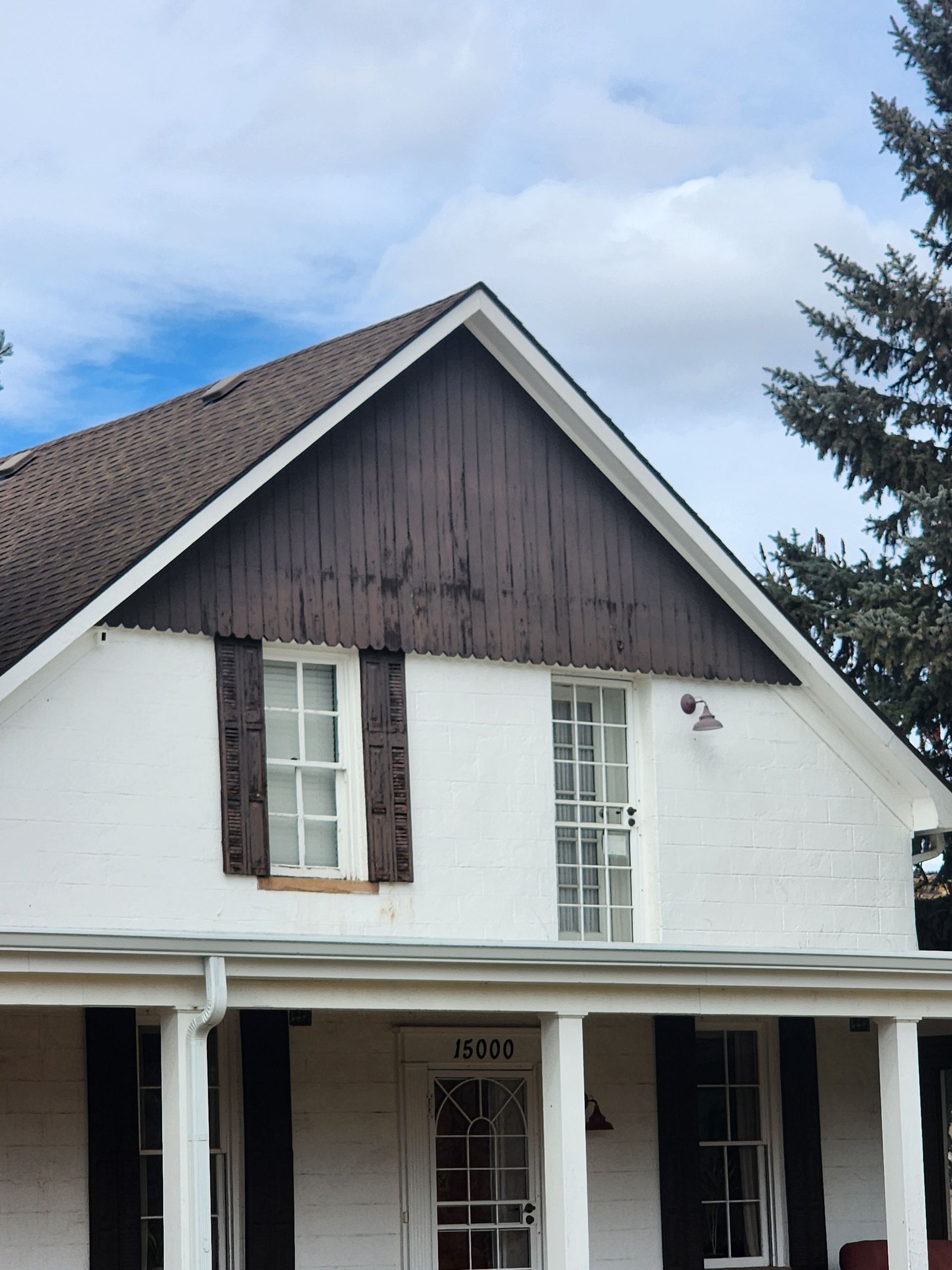
The First Warning Signs: Fading and UV Breakdown
Colorado’s climate is hard on exterior paint. Intense UV exposure, snow buildup, hail, and dramatic temperature swings all work against your home’s protective coating. Tri-Plex Painting and our experienced residential painters serving Littleton, Highlands Ranch, Centennial, and Parker, regularly see what happens when repainting gets delayed past the early warning signs.
What starts as simple fading can eventually turn into peeling, swelling, and even wood replacement.
Because of Colorado’s elevation, UV exposure is stronger here than in many other states. Over time, those UV rays break down the resins that hold paint together. As those binders weaken, pigment fades, especially on south and west facing sides.
Fading may look cosmetic, but it’s actually the first stage of coating failure. Once the paint film begins breaking down, it becomes thinner and less protective. That opens the door to moisture intrusion.
Protect Your Home Before Paint Failure Starts
Exterior painting is preventative maintenance. When you see the first signs of UV damage and chalking, repainting is straightforward and cost effective. When you wait to long to have your home painted, it can require a significant amount of prep, priming, or even replacement of siding and trim.
If you’re unsure about the condition of your exterior, an inspection from Tri-Plex Painting can determine whether your home simply needs maintenance or if failure is already underway. Maintaining your paint before it fails will always cost less than repairing what it was meant to protect.
What Happens When Paint Becomes Chalky?
If you run your hand across your siding and it leaves a powdery residue, that’s what we call "chalking".
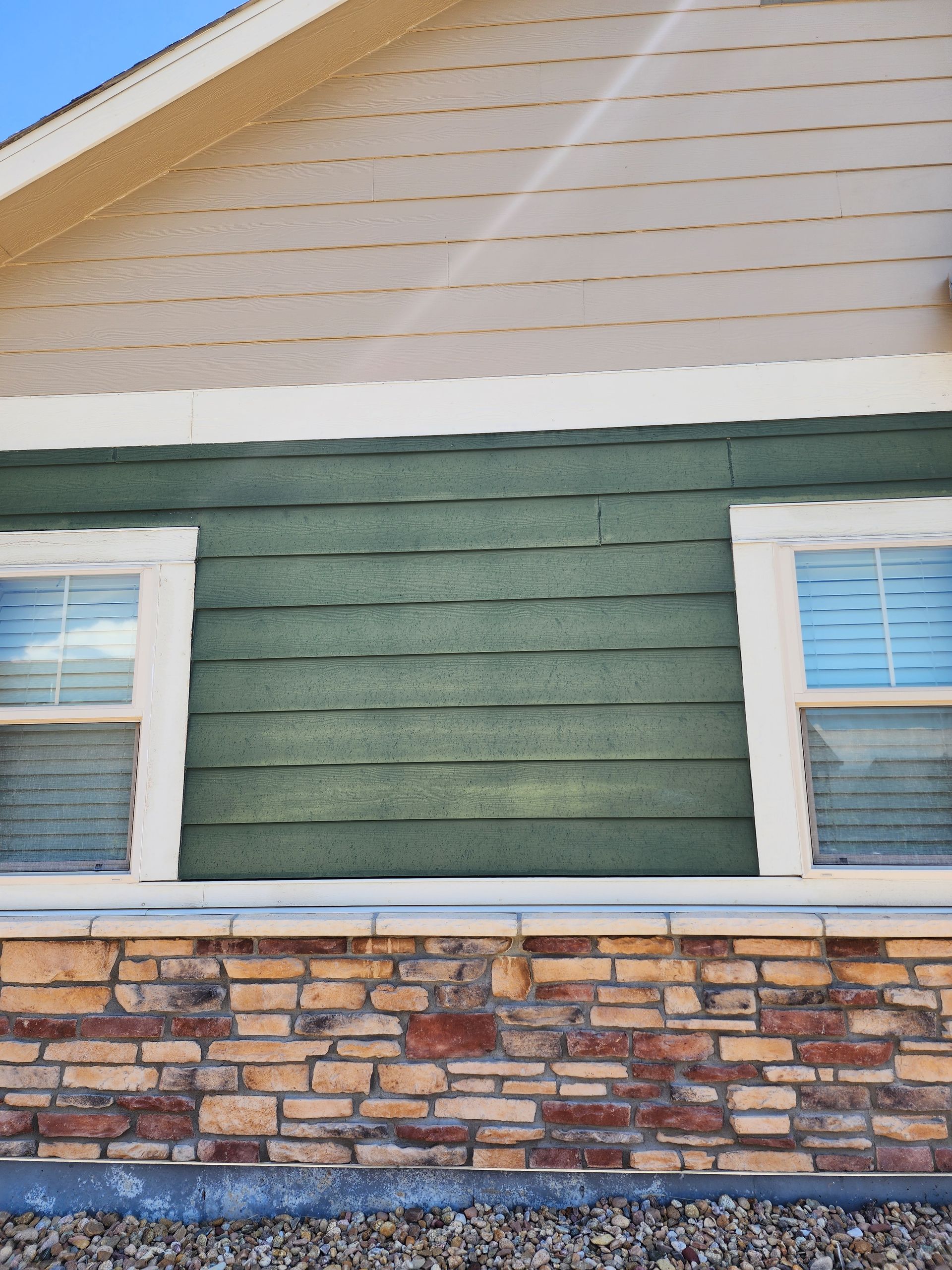
Chalking occurs when UV rays degrade the paint’s binder. As the binder deteriorates, pigment particles loosen and rise to the surface, creating that dusty film. While minor chalking over time is normal, excessive chalking signals that the protective film is failing.
When paint becomes chalky:
- Adhesion weakens
- Moisture resistance drops
- New paint will not bond properly without aggressive prep
- Cracking and peeling accelerate\
At this stage, Tri- Plex Painting's professional exterior painters must power wash thoroughly, often sand to remove unstable layers, and apply bonding primers before repainting.
In the photo above, you can see the green paint has become noticeably chalky and faded. When you run your hand across a surface like this, it leaves a powdery residue. Darker colors tend to fade and chalk more quickly because they absorb more heat. As the surface temperature rises, the paint film expands and contracts more aggressively during Colorado’s temperature swings. Over time, the finish will lose its integrity.
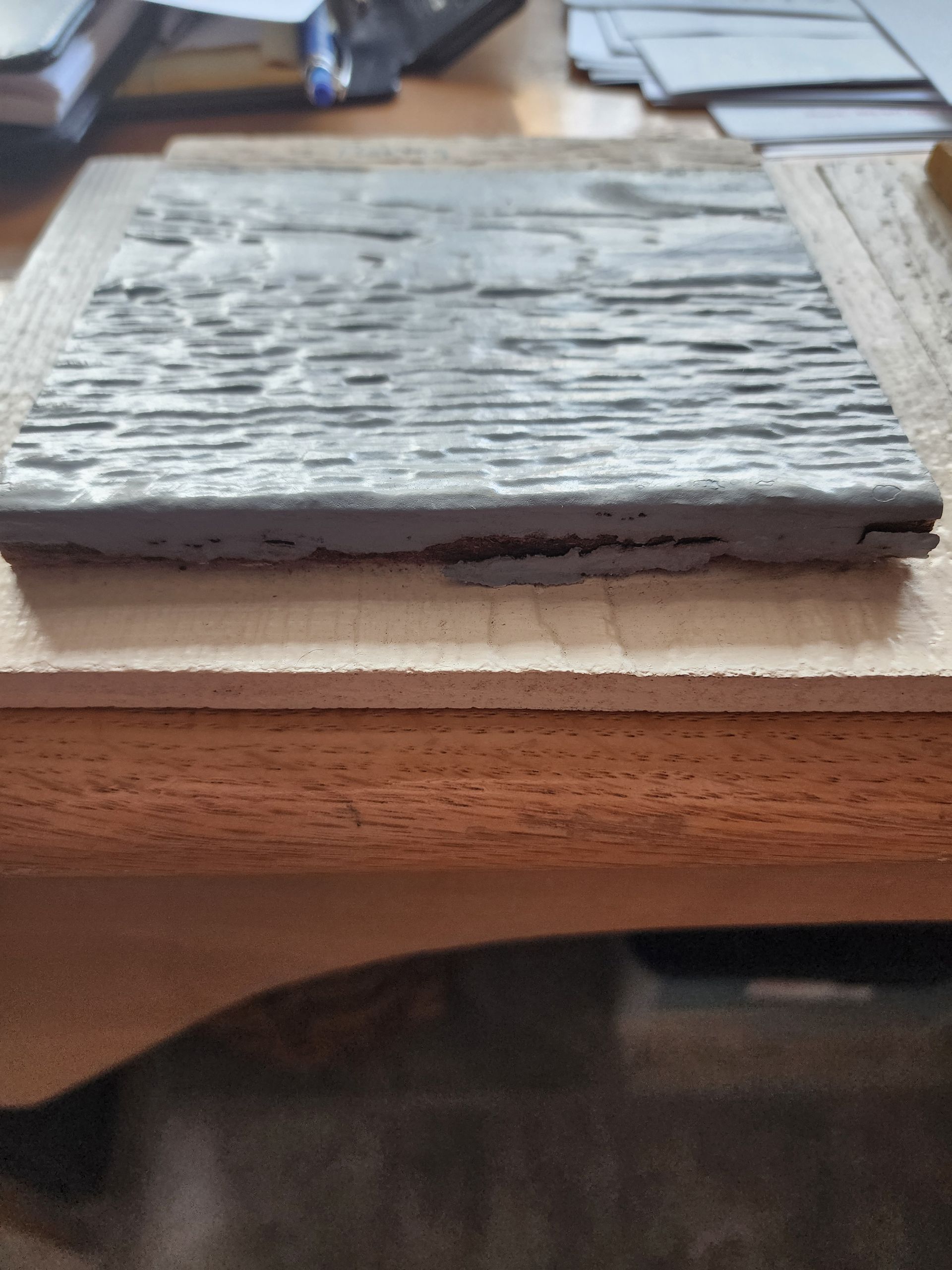
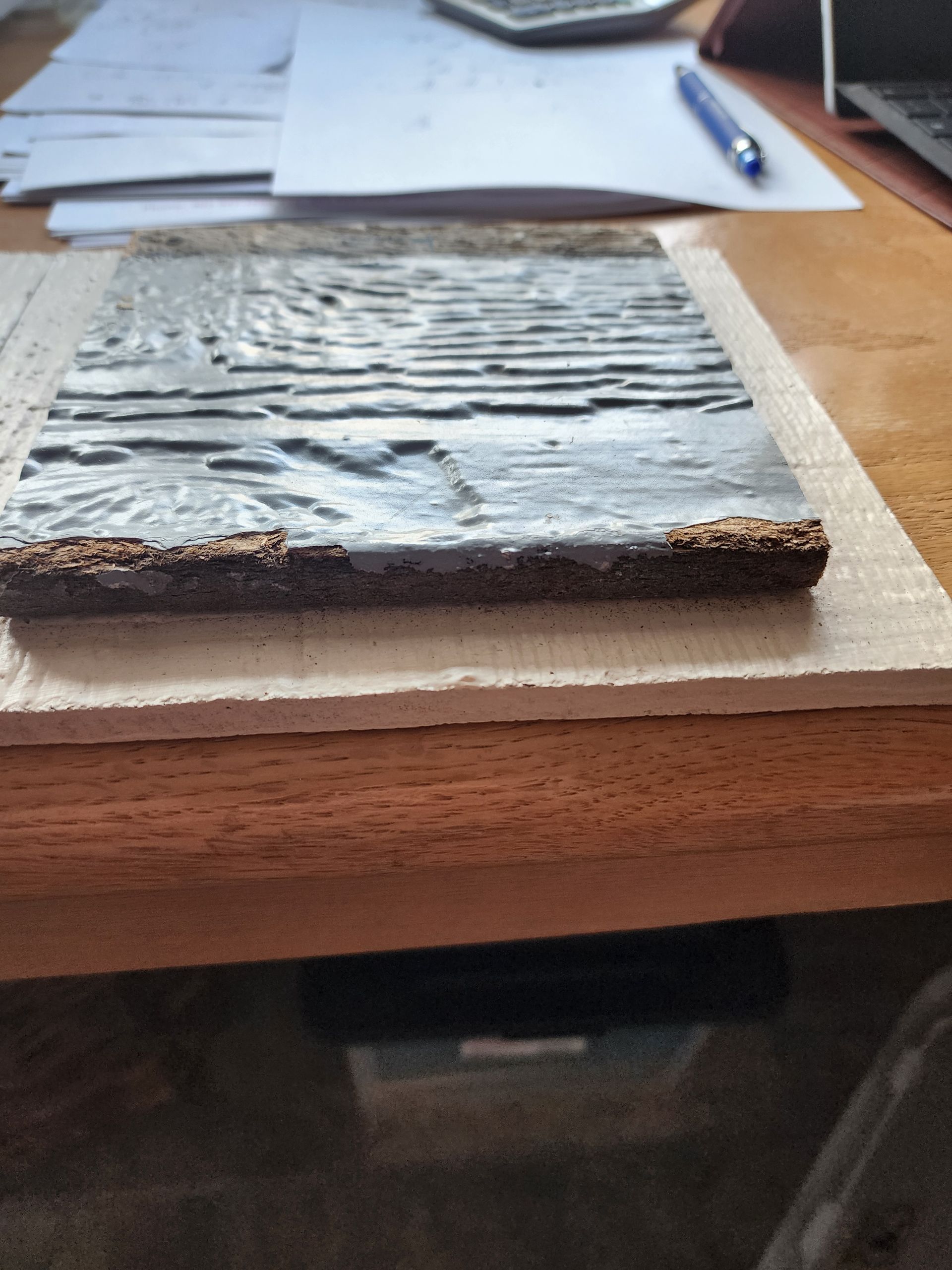
Siding- Drip Edges, Peeling, Swelling, And Wicking Moisture
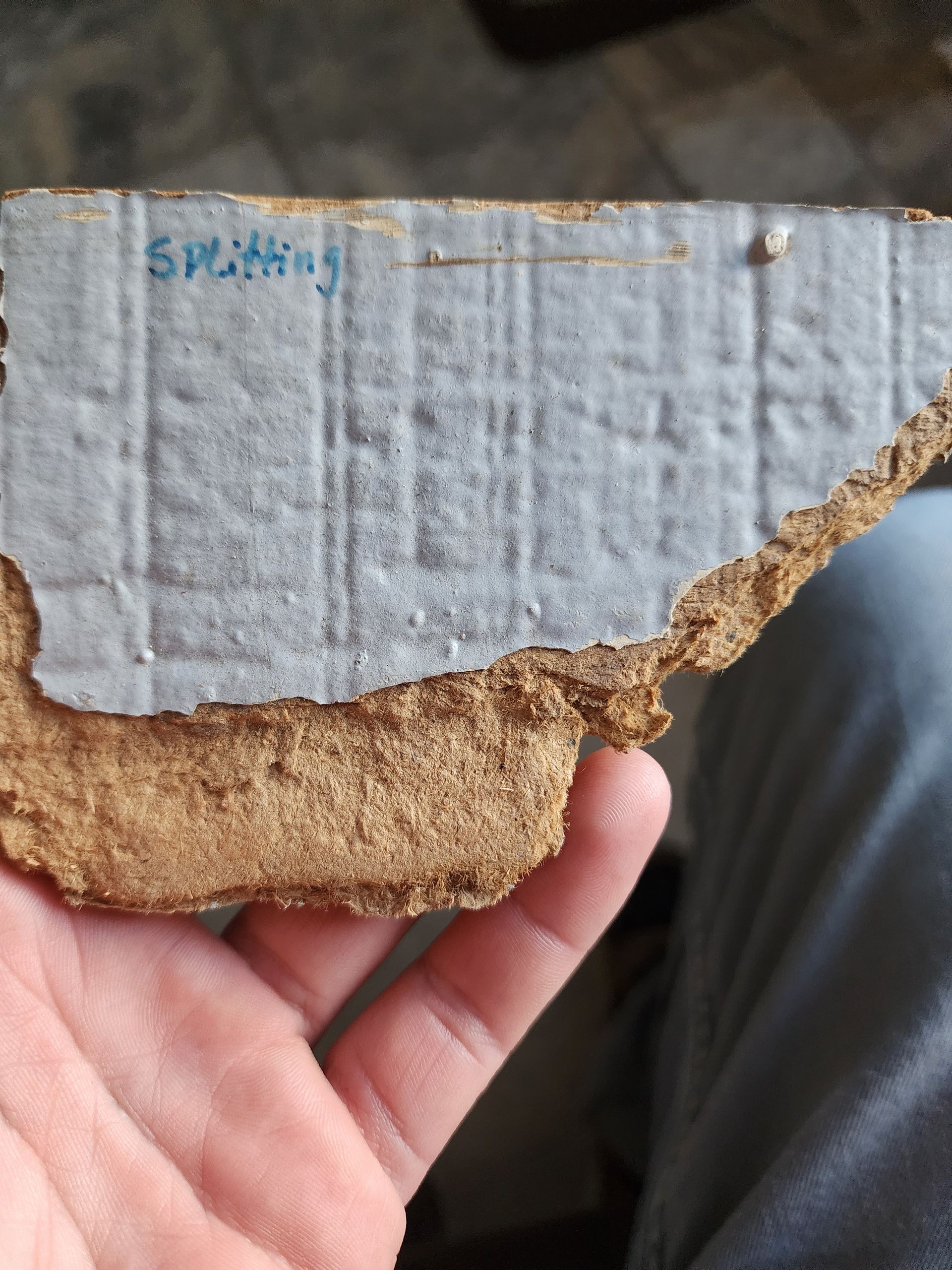
In the three photos above, you can see how exterior paint failure progresses, especially on many homes here in Colorado.
The photo on the left shows what a lot of siding from the 80’s and 90’s is actually made of. While it looks like wood from the outside, it’s not solid wood. It’s essentially a pressed wood fiber product which is similar to compressed cardboard. Its commonly known as masonite siding. This material relies heavily on its paint coating to keep moisture out. Once that protective layer weakens, the siding can deteriorate quickly
.
The middle photo shows the beginning stages of failure under the drip edge. This is a common problem our painters see during residential and HOA painting projects in Littleton, Highlands Ranch, Centennial, and Parker. When paint starts to thin and crack, water can wick up underneath the drip edge instead of shedding away properly. Moisture gets between the paint and the siding, breaking adhesion. That’s when you start to see bubbling, peeling, and flaking, especially along horizontal seams and trim boards.
If addressed early, this stage can often be corrected with proper prep, sealing, and priming.
The photo on the right shows what happens when the issue is left too long. Large areas of paint have peeled away, leaving the siding exposed. At this point, the pressed fiber material begins absorbing moisture. It swells, softens, and starts to deteriorate. Once swelling becomes severe, sanding and priming may not be enough. The integrity of the board itself is compromised.
In many cases, siding in this condition requires replacement, or at minimum, very extensive prep work with specialty primers to stabilize it. For long term performance, replacement is sometimes the smarter investment.
A significant number of homes in Colorado were built with masonite siding during the 80’s and 90’s. Over time, it proved to be an inferior exterior product due to its high susceptibility to moisture, rot, and buckling. When the paint fails, the siding follows.
Tri-Plex Painting works with homeowners throughout Littleton, Highlands Ranch, Centennial, and Parker and the surrounding Southwest Denver Metro area to determine whether siding can be properly prepped and restored; or if replacement is necessary for durability and longevity. As one of the trusted exterior painting companies in the area, Tri-Plex Painting focuses on doing the prep correctly so your home stays protected in Colorado’s demanding climate. Our exterior painters always make sure to apply the paint with correct mill thicknesses and take extra car to ensure the paint is actually getting underneath the drip edges.
If you’re unsure what condition your siding is in, a professional inspection from Tri-Plex Painting can help you understand your options and avoid larger repair costs down the road. Our goal is to have you as a client for life!