
Cedar Siding in Littleton, CO: A Homeowner's Guide to Painting vs. Staining
Should I paint my cedar siding or stain it again?
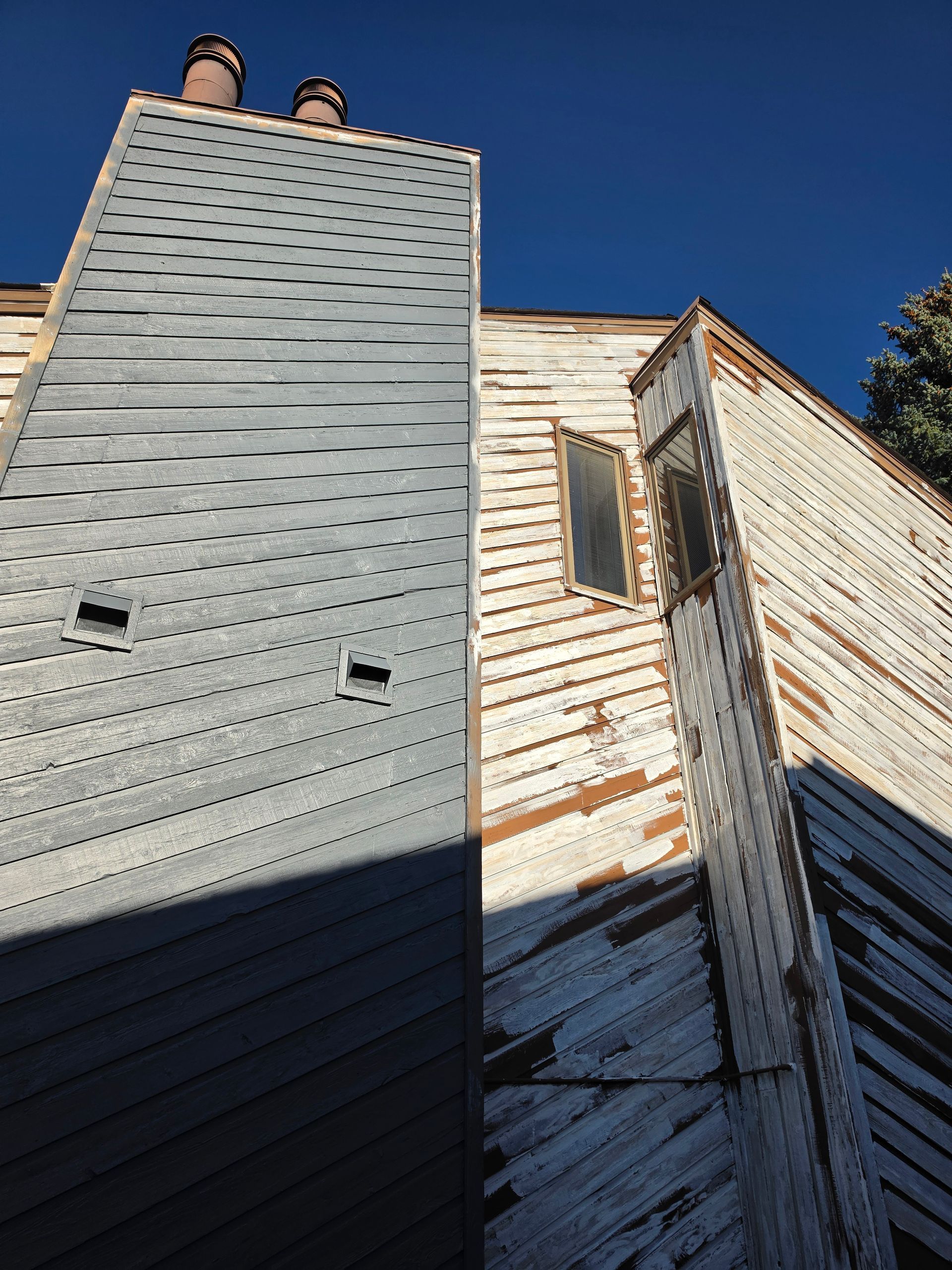
Cedar siding can give a home a character that is difficult to duplicate with other exterior materials. It's one of the reasons you'll still find cedar siding, cedar shakes, and cedar trim on homes throughout Littleton and the surrounding Denver Metro area.
It also requires the right maintenance.
Colorado's strong sun, dry climate, snow, moisture, and large temperature swings can be hard on exterior wood. As an existing coating begins to fail, homeowners are eventually faced with an important decision: should I paint my cedar siding or stain it again?
At Tri-Plex Painting, we've worked on exterior homes throughout the Littleton area for decades, and there isn't one answer that works for every cedar home. The existing coating, condition of the wood, desired appearance, and amount of preparation required all play a role.
Before deciding between paint and stain, it helps to understand what makes cedar different in the first place.
Cedar is naturally resistant to decay and has been used as an exterior building material for generations. But being a good exterior wood doesn't mean it can be left unprotected indefinitely.
Sunlight and weather gradually break down exterior coatings. Once stain or paint starts deteriorating, exposed cedar can begin weathering as well.
There is another characteristic of cedar that painters need to pay particular attention to: tannins.
Tannins are naturally occurring compounds found within wood. Cedar contains a significant amount of them.
When cedar is painted without the proper preparation and primer, those tannins can migrate through the coating and create yellow, brown, or reddish discoloration on the finished surface. This is commonly referred to as tannin bleed.
You can apply a beautiful light-colored finish and still end up with brownish discoloration coming through if the cedar underneath wasn't properly addressed.
That's why painting cedar isn't simply a matter of putting two coats of exterior paint over it. If you are thinking about painting/staining the exterior of your home, visit https://www.tri-plexpainting.com/services/exterior-house-painting for more information!
Painting Cedar Siding
Painting is a good option for homeowners who want a more uniform appearance, a significant color change, or the additional protection of a quality exterior paint system.
It also gives homeowners considerably more freedom with color.
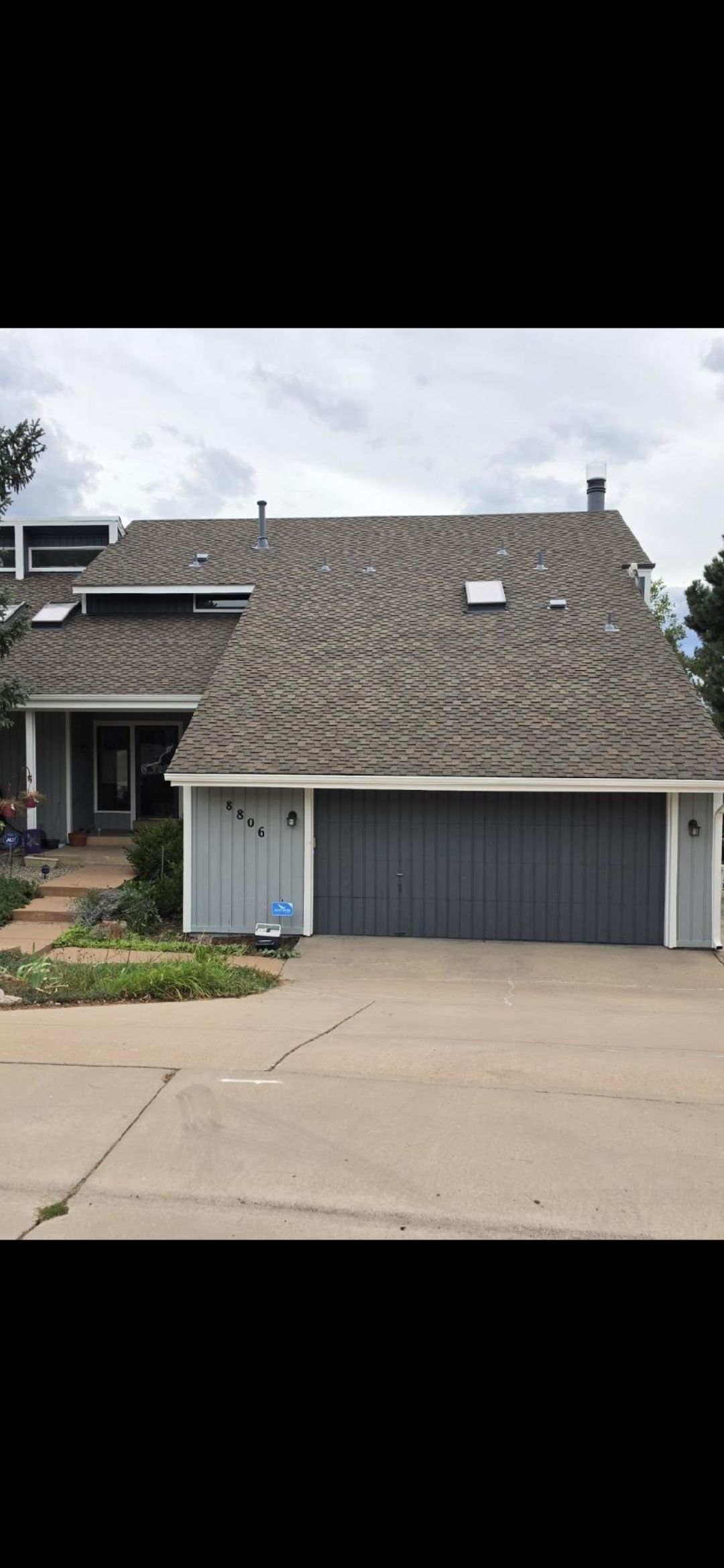
A cedar home that has been brown for decades, for example, can be transformed with a modern siding color and contrasting trim. Once properly prepared and painted, the focus shifts away from the appearance of the wood itself and toward the overall color scheme of the home.
The preparation is the important part.
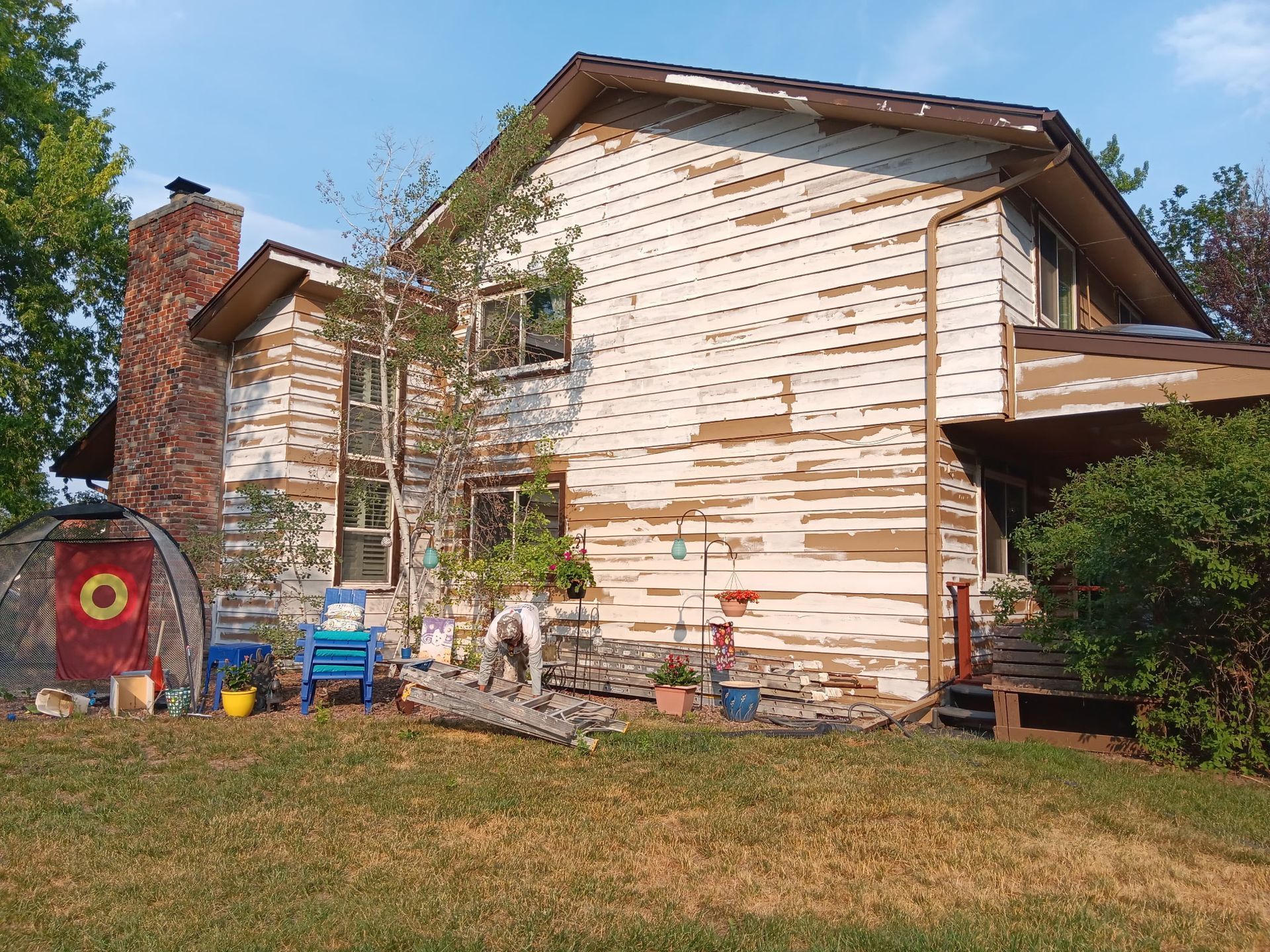
If Tri-Plex Painting is repainting previously painted or solid-color stained cedar, we inspect the siding for loose or failing material. Depending on its condition, preparation can include:
- Power washing appropriate exterior surfaces
- Scraping loose or failing paint and stain
- Sanding rough or deteriorated areas
- Spot priming exposed cedar
- Applying a stain-blocking primer where necessary
- Caulking appropriate cracks and joints
- Replacing sections of siding or trim that are too deteriorated to properly prepare
- Applying the specified finish coats
If we're making a significant color change—particularly to a lighter color—proper tannin blocking becomes even more noticeable.
The new paint shouldn't be expected to solve problems underneath it. If siding is soft, rotten, badly split, or deteriorating, replacement may be the better option before painting.
Advantages of Painting Cedar
Painting provides homeowners with a wide selection of colors and can create a clean, consistent appearance across siding, trim, fascia, and other exterior components.
A quality exterior paint system also provides a protective film over the wood, which can be valuable in Colorado's demanding climate.
For homeowners who no longer care about maintaining the natural wood appearance, painting can be a very attractive option.
Things to Consider Before Painting
Once cedar is painted, returning to a natural or semi-transparent stained appearance later can involve substantial stripping and preparation.
That's why we consider painting cedar to be more of a long-term decision than simply choosing a new color.
Homeowners should also understand that premium paint doesn't eliminate the need for maintenance. Caulk can eventually fail, coatings wear, and areas receiving heavy sun or moisture exposure may deteriorate sooner than protected areas.
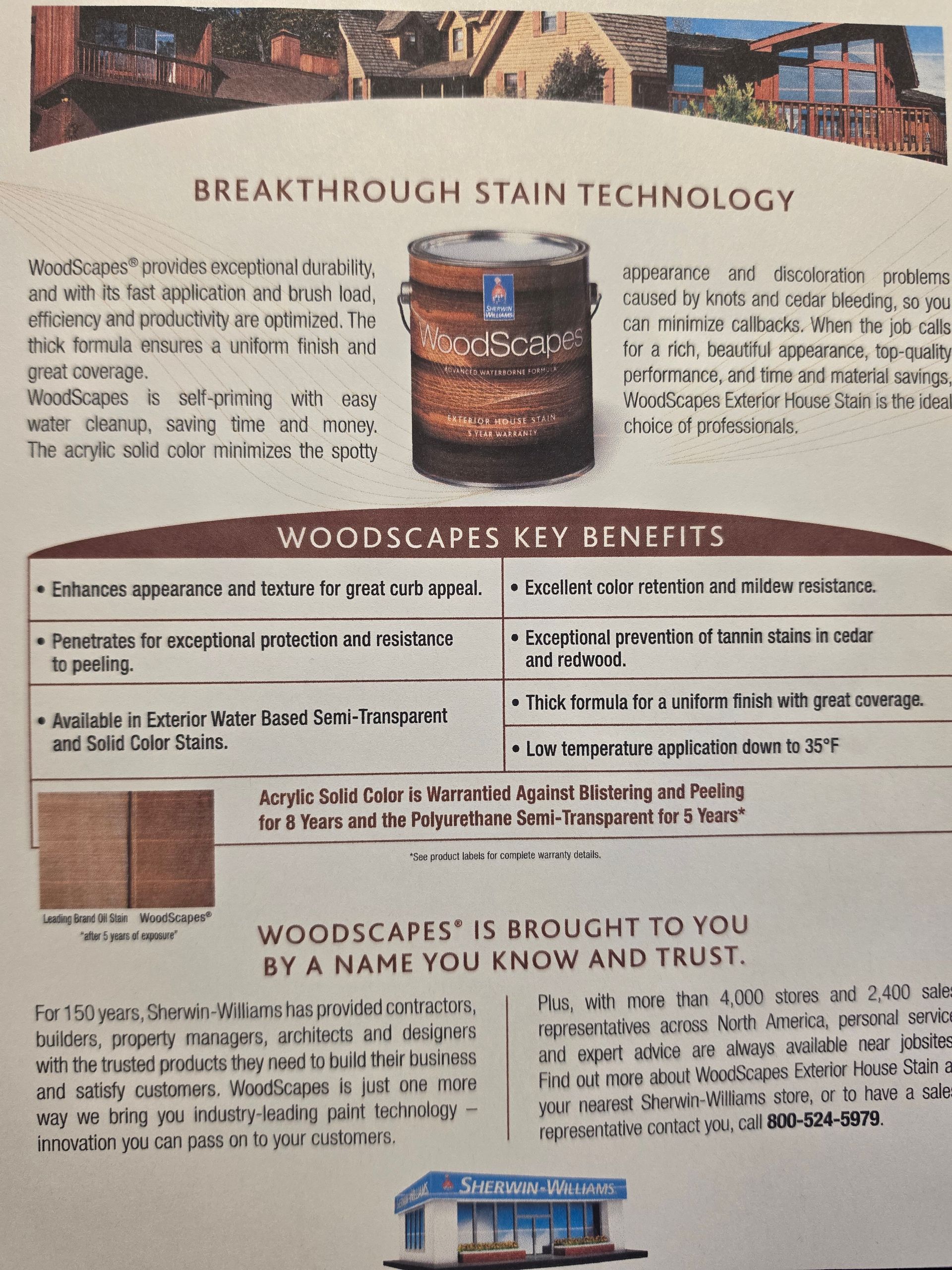
Staining Cedar Siding
Staining takes a different approach.
Rather than completely changing the character of the cedar, stain can allow more of the wood's appearance and texture to remain part of the finished exterior.
However, the word "stain" covers several different types of products.
Depending on the desired appearance and condition of the existing siding, homeowners may encounter transparent, semi-transparent, semi-solid, and solid-color stains.
The more opaque the stain becomes, the more uniform the finished color generally becomes and the less natural wood grain you will see.
This distinction is important when we're looking at an existing home.
If cedar has already been coated with an opaque solid-color stain, simply switching back to a transparent stain isn't necessarily practical. The existing coating and condition of the siding determine what options are realistically available without extensive stripping.
Why Tannin Bleed Is Different With Stain
One important difference between painting and staining cedar is how tannins are handled.
When cedar is being painted, exposed wood may require an appropriate stain-blocking primer to prevent tannins from bleeding through the finish.
With a solid-color stain system, that separate blocking primer isn't necessarily part of the same process. Instead, the stain system itself is selected and applied according to the manufacturer's requirements. Multiple coats may be necessary to achieve proper coverage, fill the rough cedar texture, and create a consistent finished appearance.
This is one reason it's important not to treat paint and stain as interchangeable products.
They may produce similar-looking colors in some applications, but they behave differently on the wood.
Paint vs. Stain: What's the Difference?
Here's a simplified way to look at the decision:
Painting CedarStaining CedarAppearanceMore uniform, painted finishCan preserve more of the wood's character depending on stain typeColor ChoicesVery broad selectionBroad selection with appearance varying by stain opacityWood GrainMostly concealedCan remain visible with less opaque stainsTannin ConcernsStain-blocking primer may be requiredHandled according to the selected stain systemPreparationScraping, sanding, priming, caulking and repairs as neededCleaning and preparation depend heavily on existing stain and conditionFuture MaintenanceRepainting as the coating eventually wearsRestaining as the coating weathersChanging Systems LaterReturning to natural stain can be difficultFuture stain options depend on the existing product and opacityBest FitHomeowners wanting a uniform finish and greater color flexibilityHomeowners wanting to maintain more of the cedar's original characterNeither system is automatically better.
The better question is: Which system makes sense for this particular house?
Colorado Weather Makes Cedar Preparation Especially Important
Littleton's climate presents some unique challenges for exterior wood.
Strong UV Exposure
Colorado receives intense sunlight, and UV exposure is one of the biggest enemies of exterior coatings.
South- and west-facing elevations frequently receive substantially more sun than protected portions of the house. It's common for us to walk around a home and see one side in considerably worse condition than another.
That's useful information.
Uneven coating failure can tell us where the house receives the greatest exposure and where preparation may need additional attention.
Rapid Temperature Changes
Exterior siding expands and contracts as temperatures change.
Colorado can experience warm, sunny conditions followed by freezing temperatures relatively quickly. Over time, that movement can contribute to cracked caulk, coating failure, and exposed joints.
This is why we look beyond the siding itself during an exterior painting estimate.
Window trim, corner boards, fascia, soffits, doors, and other exterior components can all tell us something about how the home has been weathering.
Snow and Moisture
Cedar needs protection from moisture, but the solution isn't simply to seal every opening with caulk.
Exterior siding systems need to be able to shed water and, in certain locations, allow moisture to escape. Caulking inappropriate areas can actually trap moisture rather than solve the problem.
During preparation, we look at where existing caulk has failed and determine which joints should appropriately be resealed.
Sometimes Cedar Should Be Replaced Instead of Prepared
This is another conversation we frequently have with homeowners.
There is a point where continued scraping and preparation stops being the most practical solution.
If cedar siding is badly deteriorated, soft, splitting, crumbling, or showing substantial water damage, putting additional labor into preparation may not provide the result a homeowner expects.
In those situations, Tri-Plex Painting can evaluate whether individual boards or sections can be replaced before painting.
We don't automatically recommend replacing an entire side of a house because a few pieces are damaged. If localized siding or trim replacement can provide a sound surface while controlling the homeowner's cost, we'll discuss that option.
If deterioration is widespread, a larger replacement may make more sense.
The important thing is to make that decision before applying the finish coating.
What About Cedar Window Trim and Other Wood Components?
A home doesn't have to be completely cedar for these issues to matter.
Many Littleton homes combine different exterior materials. You may have siding on the main elevations with cedar trim around windows, garage doors, entryways, fascia, or decorative areas.
Those wood components need to be inspected independently.
Window trim in particular can be vulnerable because joints and horizontal transitions can collect moisture. Failed caulk or exposed wood can eventually lead to deterioration.
If a trim board has reached the point where it won't provide a sound surface for paint, replacement can be a better long-term approach than continuing to scrape and patch it.
Should You Change From Stain to Paint?
You can in many situations, but this is where the existing condition becomes extremely important.
If you're considering painting previously stained cedar, we want to know:
What stain is currently on the house?
Is it transparent, semi-transparent, semi-solid, or solid?
How well is it adhering?
Is bare cedar exposed?
Are there areas of heavy deterioration?
Are you moving from a dark color to a much lighter color?
How much siding or trim needs repair?
Those answers help determine the preparation and primer system required.
Switching from a stained cedar appearance to a painted finish can completely update an older exterior, but it needs to be treated as a coating-system change—not simply a color change.
What We Look for During a Cedar Siding Estimate
When Tri-Plex Painting evaluates a cedar home in Littleton, we're looking beyond the total square footage.
We want to see the condition of the existing coating, exposed wood, tannin staining, failed caulk, damaged siding, deteriorated trim, previous repairs, and differences in exposure from one elevation to another.
We also want to understand what the homeowner is trying to accomplish.
Do you still want the house to look like cedar?
Are you primarily interested in long-term protection?
Do you want a major color change?
Are you trying to preserve an existing stain system?
Are there damaged areas you've been concerned about?
Those conversations usually tell us much more than simply asking, "What color do you want?"
Choosing the Right Approach for Your Littleton Home
There isn't a universal winner between painting and staining cedar siding.
If maintaining the natural character of the wood is important, continuing with an appropriate stain system may make the most sense.
If you're looking for a more uniform appearance, greater flexibility with exterior colors, or a significant change to the home's style, painting may be the better direction.
Either way, preparation matters.
Cedar that has been properly cleaned, prepared, repaired, and coated will have a much better chance of performing well than cedar where a new coating was simply applied over existing problems.
Tri-Plex Painting has provided residential and commercial painting services throughout the Denver Metro area for more than 36 years. We work on exterior painting projects throughout Littleton, Highlands Ranch, Centennial, Lakewood, Morrison, Golden, Lone Tree, Parker, Castle Rock, and surrounding communities.
If you're considering exterior house painting in Littleton, CO and aren't sure whether your cedar siding should be painted, stained, repaired, or partially replaced, we're happy to take a look at the existing condition and discuss the available options.
Our goal is to have you as a client for life!New Paragraph