Why Commercial Interior Paint Fails Faster in High-Traffic Areas—and What You Can Do About It
Should Every Room in a Commercial Building Use the Same Paint?
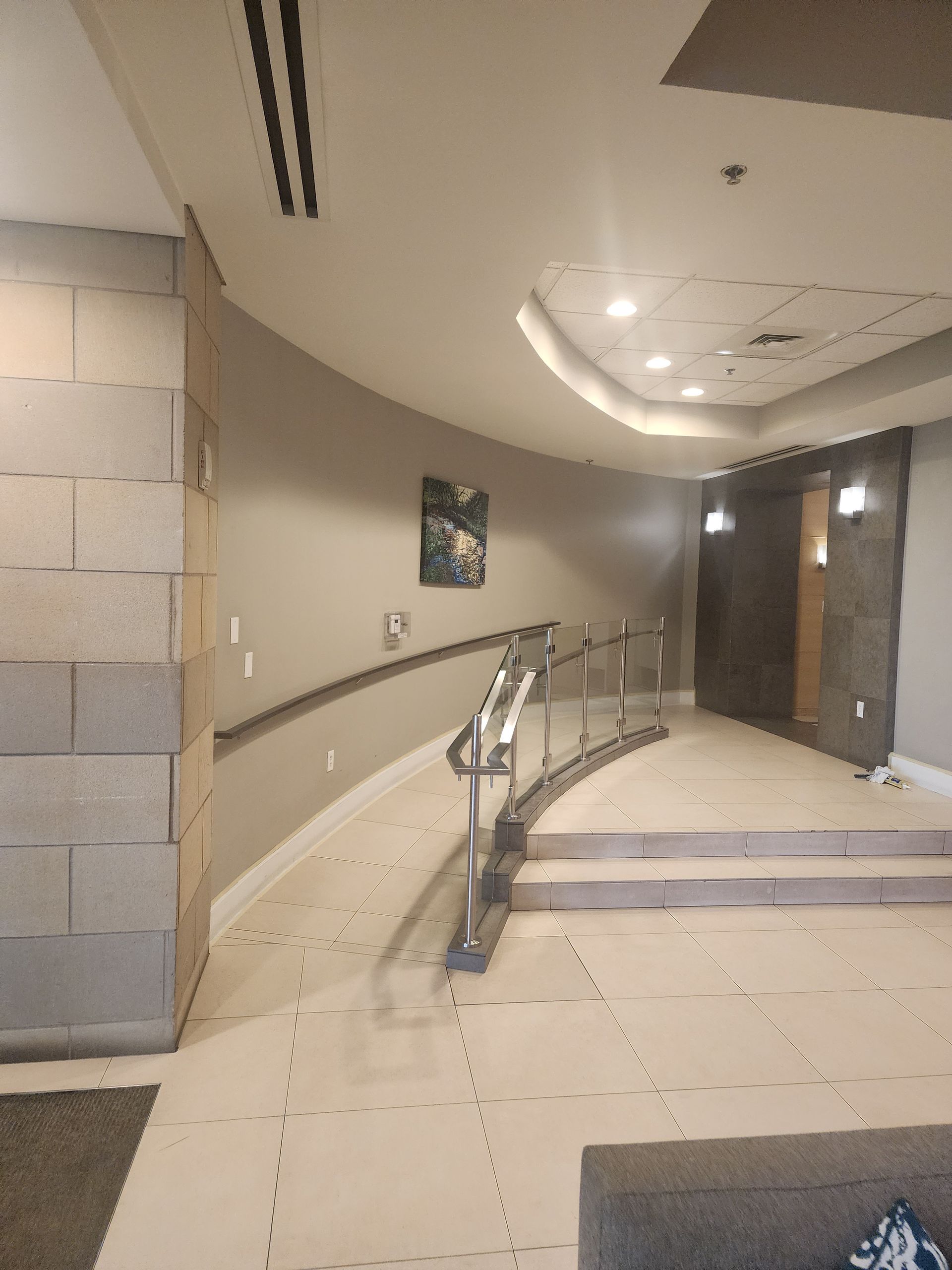
When planning a commercial interior painting project, it can be tempting to select one paint product, one sheen, and use it throughout the entire building. It keeps the specification simple and can make budgeting easier. But is that always the best approach?
Usually, it depends on how the building is used.
An individual office doesn't experience the same wear as a busy hallway. A restroom has different concerns than a conference room. Stairwells, entryways, common areas, and break rooms can all take considerably more abuse than spaces with limited traffic.
At Tri-Plex Painting, we use professional coatings from both Sherwin-Williams and Benjamin Moore for our commercial interior painting projects. Products such as Sherwin-Williams Cashmere and Duration and Benjamin Moore Ultra Spec and Scuff-X give us different options depending on the property, budget, desired finish, and amount of wear we expect a particular area to receive.
The goal isn't necessarily to put the most expensive paint throughout the building.
It's to put the right paint in the right places.
Offices: Does Every Office Need the Most Durable Paint?
Probably not. Private offices and conference rooms are often relatively controlled environments. The walls aren't constantly being touched, carts aren't rolling through them, and they generally don't receive the same abuse as hallways and common areas.
This is where balancing appearance, performance, and cost starts to matter.
Sherwin-Williams Cashmere can be a great option when a smooth, attractive interior finish is a priority. For many professional office environments, it provides the finished appearance we're looking for without automatically moving into a more expensive coating.
Benjamin Moore Ultra Spec is another product we use for commercial interiors. Depending on the project and specifications, it can provide a practical option for offices and other commercial spaces where dependable performance and project cost both matter.
Could we use a more expensive, highly durable coating in every private office? Absolutely.
But would the building owner receive enough additional value to justify that expense?
That's a better question.
Hallways: Durability Starts to Matter More
Walk into almost any busy commercial building and the hallways will tell you where the traffic is.
You may see scuffs around corners, marks near doorways, fingerprints around switches, or wear where people, equipment, carts, bags, and furniture repeatedly come into contact with the walls.
This changes the paint conversation.
Sherwin-Williams Duration is a step up when durability and washability become higher priorities. It costs more than some other interior options, but in a heavily used area, that additional investment can make sense.
Benjamin Moore Scuff-X is another coating we consider for these environments. As its name suggests, it is designed with scuff resistance in mind, making it particularly interesting for commercial areas that receive frequent contact and cleaning.
Instead of asking whether the entire building needs one of these products, we may ask whether the areas receiving the most abuse would benefit from them. That distinction can make a significant difference in the overall painting budget.
Bathrooms and Break Rooms Have Different Demands
Commercial bathrooms introduce moisture, frequent cleaning, and high usage. Break rooms may deal with spills, food, fingerprints, chairs, and regular cleaning.
These aren't necessarily the places where selecting paint solely based on appearance makes sense.
The condition of the existing surfaces also matters. Is there evidence of previous moisture? Are the walls frequently washed? What sheen was previously used? Are we painting drywall, masonry, doors, or several different materials within the same space?
Sometimes the coating specification needs to change even within one room.
This is one reason we prefer to walk a commercial property before recommending a paint system. Looking at how the building is actually being used tells us much more than simply knowing its square footage.
Stairwells Can Be Tough on Paint
Stairwells are easy to overlook during the planning stage, but they can be some of the hardest-working spaces in a commercial building.
People touch walls and handrails. Equipment gets carried between floors. Corners get bumped. Walls can become scuffed, and the space may receive frequent cleaning.
Depending on the building, a stairwell may benefit from a more durable and washable coating than a nearby office.
There are other details to consider as well. Handrails, metal door frames, doors, walls, and ceilings may all require different preparation and coating systems.
Painting a commercial stairwell isn't necessarily one paint applied to every surface.
Common Areas: Appearance and Durability Have to Work Together
Lobbies, reception areas, shared hallways, clubhouses, and other common spaces present an interesting challenge.
These are often the areas visitors notice first, so appearance matters. At the same time, they may be among the most heavily used areas in the building.
This is where spending more for durability can provide real value.
A less expensive coating may lower the initial project cost, but if the walls require frequent touch-ups or begin looking worn quickly, was it actually the less expensive choice?
On the other hand, putting the highest-tier coating on every wall regardless of use can unnecessarily increase the project budget.
There is a middle ground.
One Building Can Have Several Paint Specifications
This is the part of commercial interior painting that often gets missed.
A single project could potentially use one coating in private offices, a more durable coating in hallways and common areas, and completely different products on doors, trim, railings, or other surfaces.
At Tri-Plex Painting, we don't automatically recommend Sherwin-Williams Duration because it costs more than Cashmere. We don't automatically specify Benjamin Moore Scuff-X everywhere simply because durability is important.
Instead, we look at what each area needs.
How much traffic does it receive?
How frequently are the walls cleaned?
Is appearance or durability the greater priority?
What condition are the existing walls in?
How long does the property owner want to go before repainting?
And, importantly, where does spending more money actually provide a meaningful return?
Choosing Between Sherwin-Williams and Benjamin Moore for Commercial Interiors
We work with both Sherwin-Williams and Benjamin Moore because both manufacturers offer quality commercial and residential coatings at different performance and price levels.
For one project, Sherwin-Williams Cashmere may provide the right combination of appearance and value in offices while Duration is used in higher-wear areas.
For another building, Benjamin Moore Ultra Spec may make sense across much of the property while Scuff-X is reserved for corridors, common areas, and other surfaces that regularly take abuse.
There isn't one specification that fits every commercial building.
And that's really the point.
A good commercial interior painting proposal shouldn't just tell you what color your walls will be. It should consider how those walls are actually used and whether the proposed coating makes sense for the environment.
Tri-Plex Painting provides commercial interior painting services throughout Denver, Littleton, Highlands Ranch, Centennial, Englewood, Lakewood, Parker, Castle Rock, Lone Tree, and surrounding Denver Metro communities. We work with property managers, HOA communities, businesses, offices, multi-family properties, and other commercial clients to develop painting scopes that balance appearance, durability, and budget.
Sometimes the best commercial paint specification isn't the most expensive one.
It's the one that spends the money where the building actually needs it.
What Property Managers Should Look for During a Commercial Interior Paint Walkthrough
A commercial interior painting walkthrough is about much more than measuring walls and choosing colors.
When Tri-Plex Painting walks a commercial property with a property manager, we're looking for the details that will determine how much preparation is necessary, which surfaces should be included, what products make sense, and whether there are existing conditions that should be addressed before painting begins.
Some issues are obvious. Others are easy to miss until you're standing a few feet away from the wall.
Taking the time to identify these conditions during the initial walkthrough helps us develop a more accurate scope of work and reduces surprises once the project gets underway.
1. Start with Drywall Damage
One of the first things we look for is the condition of the walls themselves.
Commercial interiors naturally take abuse. Furniture gets moved, carts hit corners, pictures and signs are relocated, door handles hit walls, and tenants leave behind anchors, screws, and other damage.
During a walkthrough, we look for things such as:
- Nail and screw holes
- Drywall dents and gouges
- Cracks
- Damaged outside corners
- Previous wall anchors
- Areas where signs or fixtures were removed
- Poorly completed drywall patches
- Texture that doesn't match the surrounding wall
Not every imperfection requires a major repair. Many small areas can be patched, sanded, spot primed, and painted as part of normal preparation.
Larger drywall repairs are a different conversation.
Identifying those areas before the project begins allows Tri-Plex Painting and the property manager to determine what should be included in the original scope and what may require additional repair work.
2. Water Stains Deserve a Closer Look
A water stain isn't just a painting issue.
If we see staining on a ceiling or wall, one of our first questions is whether the source of the moisture has been corrected.
Painting over an active leak doesn't solve anything.
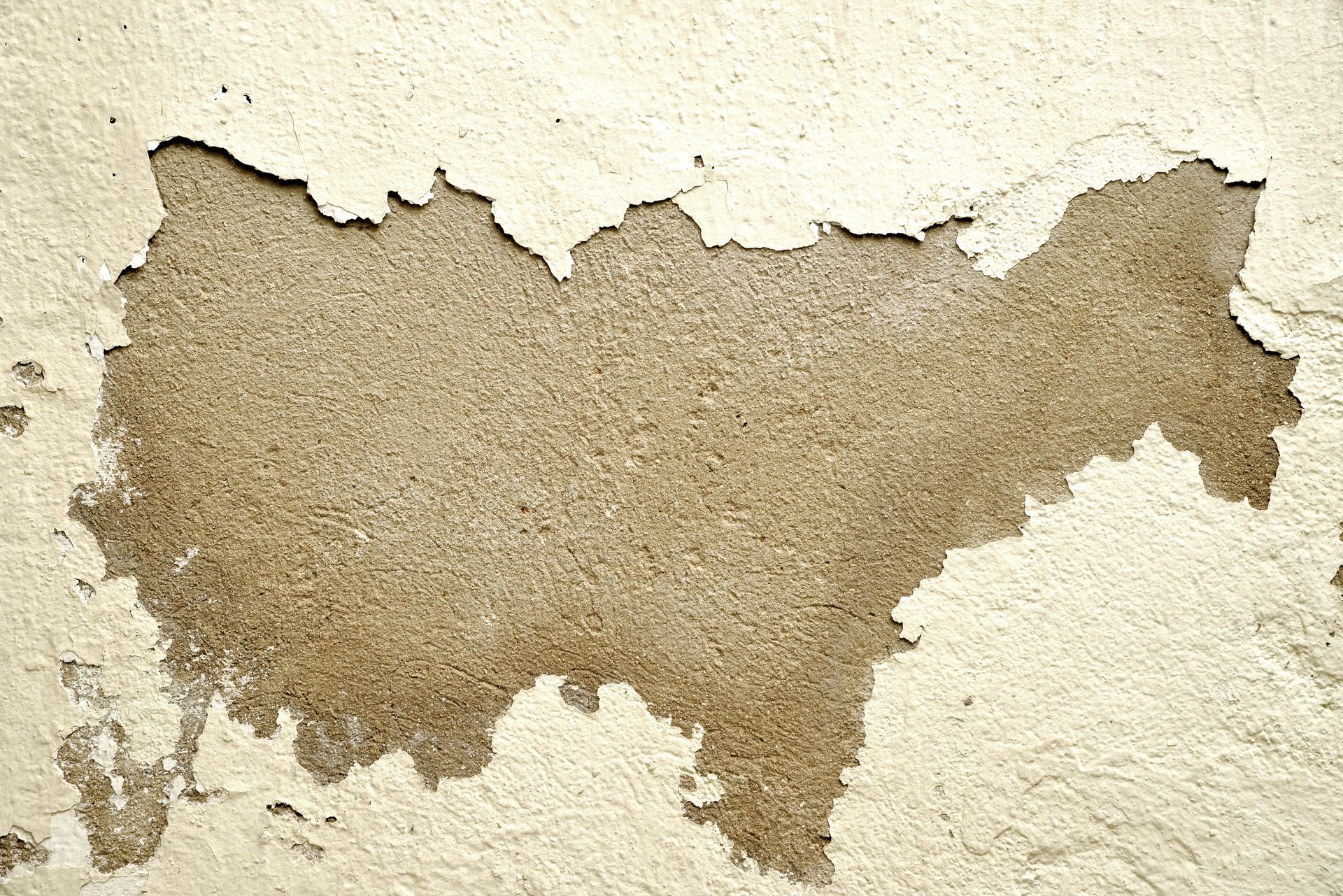
Water stains can come from roof leaks, plumbing, HVAC systems, windows, bathrooms, or other sources. Once the underlying problem has been resolved and the surface is dry, the stained area may require a stain-blocking primer before finish paint is applied.
Otherwise, that discoloration can bleed back through the new paint.
This is a good example of why a commercial painting walkthrough shouldn't simply focus on square footage. Sometimes a small stained area tells us more about the building than an entire clean wall.
3. Look Closely at Caulking and Transitions
Caulk tends to disappear into the background until it starts failing.
During our commercial interior walkthroughs, we pay attention to transitions around trim, door frames, baseboards, windows, and other painted components.
Cracked, separated, or missing caulk can leave an otherwise freshly painted room looking unfinished.
At the same time, more caulk isn't always better. We only want to caulk areas where it is appropriate. Understanding what should be sealed—and what shouldn't—is part of proper preparation.
4. Scuffs Tell Us How the Building Is Actually Used
Scuff marks aren't just something that needs to be covered with paint. They give us useful information.
If one hallway is heavily scuffed while nearby offices still look relatively clean, that tells us those spaces shouldn't necessarily receive the same coating specification.
We look closely at hallways, entrances, elevator areas, stairwells, break rooms, common areas, and other high-traffic spaces.
Where are people touching the walls?
Where are carts or equipment hitting corners?
Which areas are cleaned frequently?
Are chairs rubbing against the same wall every day?
These observations can influence the product we recommend.
Tri-Plex Painting works with both Sherwin-Williams and Benjamin Moore coatings. Depending on the building, we may recommend a different product for heavily used common areas than we would for a private office.
The goal isn't automatically to specify the most expensive paint throughout the building. It's to determine where additional durability may actually be worth paying for.
5. Don't Forget the Doors and Door Frames
Doors and frames can make a surprisingly large difference in how a freshly painted commercial interior looks.
A hallway with newly painted walls can still look worn if the doors and frames are scratched, chipped, dirty, or heavily scuffed.
During our walkthrough, we evaluate whether these surfaces are painted wood, previously coated metal, or another material because the preparation and coating system may be different from what we're using on the walls.
Metal frames, for example, may require cleaning, sanding, appropriate primer, and a coating designed for that substrate.
We also look at the amount of wear.
The area around handles and push plates often tells a very different story than the middle of the door.
6. Look Up at the Ceilings
Ceilings are one of the easiest surfaces to overlook during a walkthrough.
We look for water stains, previous repairs, cracks, discoloration, patched areas, and differences in ceiling paint.
Sometimes the walls need painting but the ceilings are still in good condition. In that case, including every ceiling may add unnecessary cost.
Other times, freshly painted walls make an older or stained ceiling considerably more noticeable.
This is something we prefer to discuss before the proposal is finalized rather than after the walls have already been painted.
7. Previous Repairs Can Show Through New Paint
Not all drywall repairs are created equally.
We frequently come across older patches where the drywall is technically repaired but the texture, sanding, or primer doesn't match the surrounding surface.
Applying another coat of paint doesn't necessarily make those imperfections disappear.
In fact, new paint can sometimes make them more noticeable.
During our walkthrough, we look at previous repairs from different angles and under different lighting conditions. If an area requires additional sanding, texture matching, or priming to improve the finished appearance, we'd rather identify it ahead of time.
8. Pay Attention to Existing Sheen Differences
This is a small detail that can become a big visual problem.
Commercial buildings are often touched up repeatedly over the years. Different painters, maintenance teams, and tenants may have used different products or sheens.
You may have eggshell on one wall, satin touch-ups in another area, or patches that appear noticeably shinier when light hits them.
We look for these inconsistencies during the walkthrough.
Depending on the existing condition and color, simply touching up individual areas may not provide a uniform appearance. Painting a wall from corner to corner can often produce a much cleaner result.
9. Identify High-Wear Areas Before Choosing the Paint
Not every square foot of a commercial property experiences the same amount of wear.
That's why we don't think product selection should happen in isolation.
Private offices may have relatively little wall contact. Hallways, stairwells, bathrooms, break rooms, lobbies, clubhouses, and common areas can experience substantially more.
Tri-Plex Painting uses products from Sherwin-Williams and Benjamin Moore, and different areas may justify different coatings.
A property manager may decide to invest in a more durable, washable coating in the areas receiving constant abuse while using a quality, more economical product in lower-traffic spaces.
That can provide a better balance between upfront project cost and long-term maintenance.
What Tri-Plex Painting Looks for During a Commercial Walkthrough
Ultimately, we're trying to answer a few practical questions before we prepare the proposal:
What actually needs to be painted?
What can remain as-is?
What needs repair before painting?
Which surfaces require special preparation or primer?
Where would a more durable coating provide additional value?
And where can we avoid adding unnecessary cost?
That last question matters.
A detailed commercial painting proposal shouldn't automatically include everything possible. It should reflect what the property actually needs and clearly explain the work being proposed.
At Tri-Plex Painting, we use our walkthrough to develop a detailed scope of work so property managers can understand what is included and make informed decisions about optional areas, repairs, products, and coating upgrades before the project begins.
We provide professional commercial interior painting for property managers, HOA communities, offices, multi-family properties, and businesses throughout Denver, Littleton, Centennial, Highlands Ranch, Englewood, Lakewood, Parker, Castle Rock, Lone Tree, and the surrounding Denver Metro area.
After more than 36 years in the painting industry, we've learned that a successful commercial painting project often starts with something very simple: A thorough walkthrough.
Commercial Interior Painting During a Tenant Turnover: What Should Property Managers Prioritize?
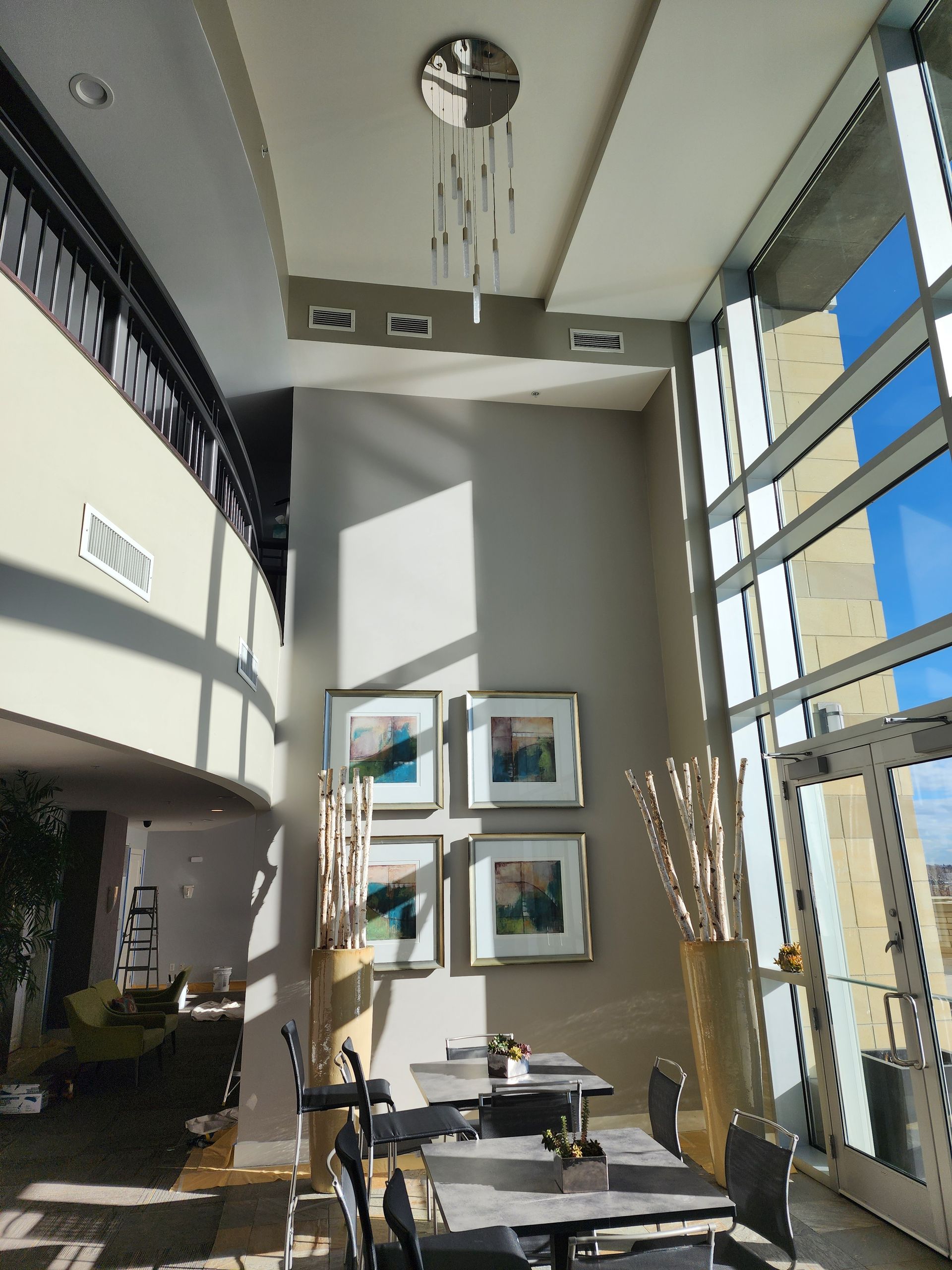
Tenant turnover is one of the best times to take care of interior painting. The furniture is out, the walls are visible, and painters can usually work without having to coordinate around employees or customers.
It also brings up an interesting question: how much should you customize a space when you don't know who will occupy it next?
For many property managers, keeping things neutral is the practical answer.
Start With a Clean Slate
When we're painting a commercial space between tenants, we're usually trying to accomplish something a little different than when we're painting for an established business.
An existing tenant may have specific company colors, accent walls, furniture, and branding they want us to work around. A vacant suite needs to appeal to whoever walks through the door next.
That's why we tend to like neutral colors for tenant turnovers.
And neutral doesn't have to mean painting everything bright white.
Warm whites, light grays, greiges, and subtle beige tones can make a commercial interior feel clean and updated without giving the space too much personality. Ideally, a prospective tenant should be able to walk in and picture their own furniture, signage, and branding in the space.
We also look at what's staying.
If the flooring has warm undertones, a cool gray might not be the best choice. Older wood doors or cabinets can influence the color as well. Even the type of lighting in the building can completely change how a neutral looks.
A paint chip only tells you so much. Seeing the color in the actual space is much more useful.
Consistency Can Save Property Managers Some Headaches
If you manage several suites in the same building, there can be a real advantage to establishing a standard neutral color.
We've seen commercial properties where every suite has accumulated different colors over the years. One tenant chooses beige, another wants gray, somebody adds a dark accent wall, and eventually maintenance has several partially used cans of paint without anyone being quite sure what goes where.
Keeping a standard wall color can simplify things.
The important part is keeping a record of the exact manufacturer, product, color, and sheen—not just the color name. That information makes future maintenance and painting much easier.
Touch-ups are another story.
Sometimes they work well. Sometimes they don't.
If the existing paint has been on the wall for several years, the original finish may have faded or accumulated enough wear that fresh paint stands out. We've all seen those shiny or slightly different-colored patches running down an otherwise decent wall.
At that point, painting the wall corner to corner usually gives you a cleaner result than continuing to add more touch-ups.
Don't Paint It Twice If You Don't Have To
Timing matters here.
If a new tenant has already been selected, it's worth finding out whether they plan to change the colors before repainting everything.
There's not much sense in painting an entire suite a neutral color this month if the incoming tenant is going to repaint half of it with company colors next month.
If the property is still being marketed, that's different. A clean neutral interior can make a vacant space much easier to show and gives prospective tenants a blank canvas.
This is one of those decisions that doesn't have a universal answer. Sometimes painting immediately makes sense. Sometimes waiting for a little more information from the incoming tenant can save money.
An Empty Suite Usually Reveals a Few Surprises
Once everything comes off the walls, we tend to find things that weren't obvious during normal occupancy.
TV mounts leave anchors. Shelving leaves holes. Furniture hides dents. Signs get removed and reveal old paint underneath. There may be drywall patches from several tenants ago that never quite matched the surrounding texture.
This is the time to deal with those issues.
At Tri-Plex Painting, we'll look at the drywall condition before we start applying finish paint. Small holes and damage can often be patched, sanded, spot primed, and blended into the surrounding surface.
Water stains deserve more attention. Before we paint over one, we want to know that the leak or moisture source has actually been corrected. Otherwise, we're just making the problem look better temporarily.
Spend Money on Paint Where It Makes Sense
Not every tenant turnover needs the highest-priced paint available.
We use both Sherwin-Williams and Benjamin Moore, which gives us quite a few options depending on what the property manager is trying to accomplish.
Sherwin-Williams Cashmere can provide a very nice finished appearance. Duration costs more, but it offers additional durability and washability that may make the upgrade worthwhile in areas that see more wear.
On the Benjamin Moore side, Ultra Spec can be a practical commercial option, while Scuff-X is worth considering when scuff resistance and repeated cleaning are bigger concerns.
We may even use different products within the same property.
The idea isn't to make the paint specification complicated. It's actually the opposite. We want to avoid paying for performance you don't need while also avoiding an inexpensive coating in an area where you're going to wish you had something more durable a year from now.
Give the Painters Enough Time to Be Painters
Tenant turnovers can get busy quickly.
The flooring company needs access. Electricians are changing fixtures. Somebody is replacing ceiling tiles. Cleaners are scheduled. Furniture is coming in. And somewhere in the middle of all of that, the walls need to be repaired and painted.
Whenever possible, we like to know what the rest of the turnover schedule looks like.
There's nothing particularly efficient about finishing a freshly painted hallway and then having another trade carry equipment through it for the next three days.
A little coordination gives us time to complete the repairs, paint the space, allow everything to dry properly, and come back through for final touch-ups before the next tenant arrives.
Keep the Goal Simple
For most tenant turnovers, we're not trying to turn an empty commercial suite into somebody else's finished design.
We're trying to give the next tenant a good starting point.
Clean walls. A neutral color that works with the existing finishes. Properly repaired drywall. A paint product that makes sense for the space. And a professional appearance when someone walks through the door.
At Tri-Plex Painting, we work with property managers, commercial buildings, offices, HOA communities, and multi-family properties throughout Denver, Littleton, Centennial, Highlands Ranch, Englewood, Lakewood, Parker, Castle Rock, Lone Tree, and the surrounding Denver Metro area.
Sometimes a tenant turnover needs a complete repaint. Sometimes it doesn't. We're happy to walk the property, look at what's actually there, and help determine what makes sense before putting together the scope of work.
Our goal is to have you as a client for life!